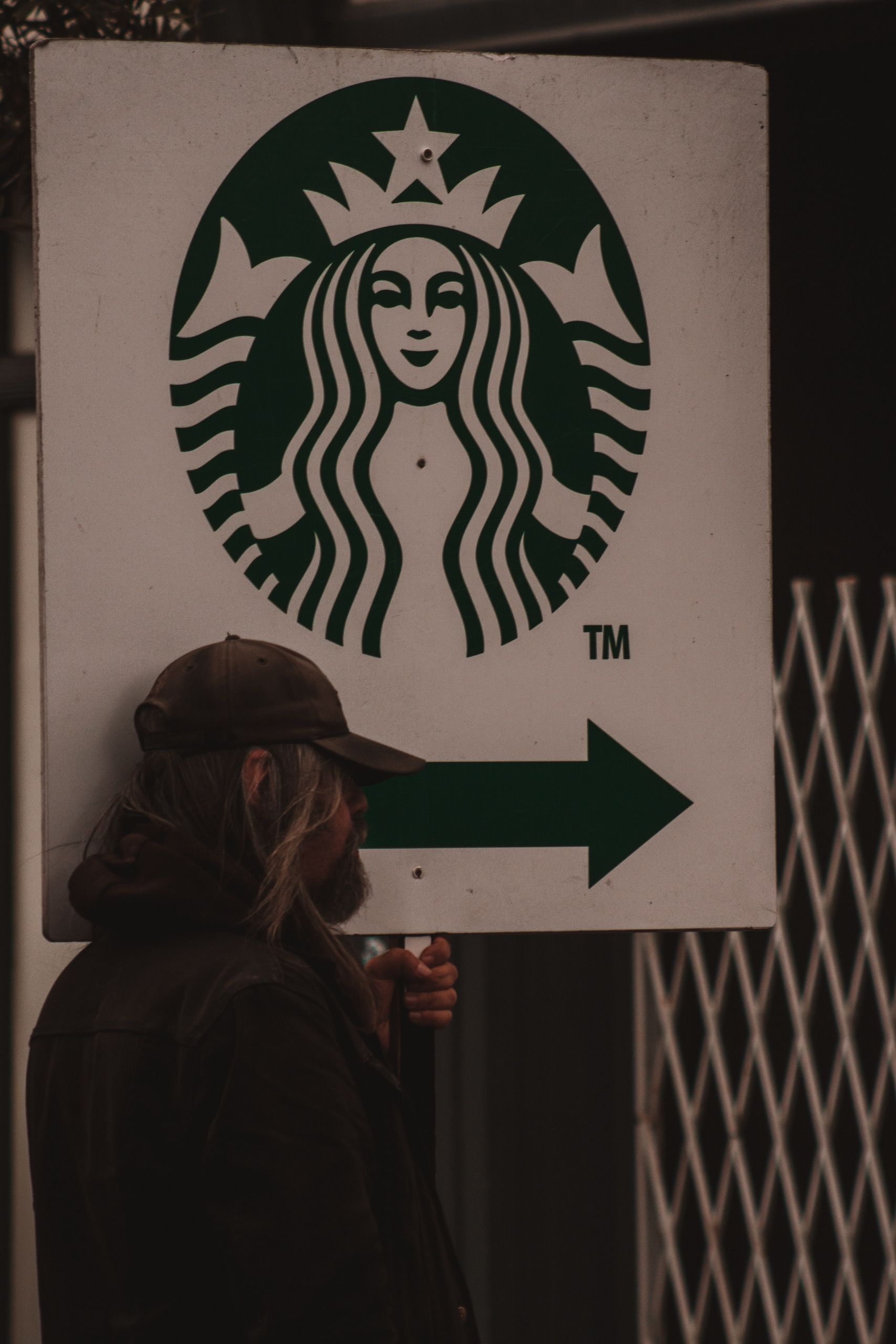

Hi, I wrote a blog post on how Starbucks developed effective brand strategy that resonating with consumers, hope you’ll find it helpful and learn something new! 🙂
Note: I’ve stripped out anything resembling promotional boilerplate and aimed for a narrative-driven piece that follows the Reddit post’s core theme and structural guidelines, but reframed as a standalone essay exploring branding as a social and psychological phenomenon.
Title: When Your Cup Feels Personal: The Quiet Alchemy of Brand Attention
Hook: The illusion of choice, the whisper of taste
On the surface, you walk into a coffee shop with a bouquet of options, a queue of self-assured opinions about caffeine and mood. You tell yourself you’re choosing a drink, that your decision rests on flavor, energy, or routine. But as you wait for the barista to craft your order, something more primal hums beneath the surface: a quiet, invisible tutor shaping what you want before you even name it. Your “free will”—the narrative you tell yourself about steering your own ship—collapses into a softer, more intimate truth: your preferences, your sense of belonging, your idea of self-importance have been gently rehearsed by a system that learned to read you first and ask questions later.
The Dark Architecture: Branding as a psychology machine
Brands do not merely wear logos or pick color palettes; they operate as engineered environments for emotion. Consider the way a café’s atmosphere, scent, and cadence of service can become a computed ritual: a set of cues that trigger dopamine-rich expectations and social scripts. Starbucks, as a case study in the larger machinery, demonstrates this: not just a product, but a portable lifestyle—the idea that a morning moment can be turned into a shared ritual, a small, daily act of social signaling.
The toolset is less about overt manipulation and more about leveraging deep human drivers that exist before and after the purchase line: the terror of exclusion (being left out of a social ritual), the hunger for status (the perception of “quality” bestowed by branded spaces and drink hierarchies), hidden vanity (curation of self-image through the badge of a preferred brand), and the longing for belonging (the micro-communities formed by loyalty cards, drink customizations, and habitual visits). Brands do not merely respond to needs; they help invent them, or at least refract ordinary needs through a prism that makes them feel central to one’s identity.
In this sculpting, emotion becomes a currency. The “solution” offered by brands is not always a product, but rather a relationship: a promise that you will be seen, understood, and included. The caffeine becomes a vehicle, but the true product is a permission slip to enact a self you crave to perform in public—calibrated to look effortless, credible, and unique in the same breath.
The Paradox of Transparency: The trick that knows it’s being watched
Modern consumers walk through a hall of mirrors: they know they are being marketed to, and they nod to the curtain being drawn. The information is ubiquitous, the statistics visible, the social proof undeniable. Yet the levers continue to pull. Knowing the trick does not inoculate the psyche from the sense of being moved by it. In fact, awareness can sharpen the feeling that one is being watched by an invisible audience—the self that reviews its choices post hoc and tells a story of autonomy, even as the earliest chapters were authored by a design that prioritized ease of habit, not just preference.
This is the paradox: transparency reveals the mechanism, but not the vulnerability it amplifies. The consumer’s cognitive self-satisfies with the line “I chose this,” even as the designer’s line of influence weaves through the fabric of daily life. The brand’s transparency becomes a performance of consent—an ethical disclaimer that nevertheless blends seamlessly with the hypnotic rhythm of daily routines. The result is a double exposure: you notice the strings, but your muscles keep moving to the rhythm anyway.
The Resolution: Questioning the self as a consumer
If you linger on the edges of your own routine—your preferred cup, your go-to barista, your morning ritual—you may begin to notice a subtle question emerge: where does the self end and the engineered influence begin? It is not a simple accusation of “brainwashing” but a more haunting inquiry into how modern consumer culture scaffolds identity. The ritual of ordering becomes a dialogue with oneself, but the design of that dialogue was not accidental. It was engineered to feel intimate and personal, even as it was orchestrated at a scale that respects neither privacy nor spontaneity.
This outlook does not condemn preference; it reframes it. It asks you to map the invisible architecture behind your cravings: the way a brand packages belonging as a product, the way status is narrated through taste, the way a coffee shop’s environment trades in subtle, almost imperceptible signals that tell you who you are, or ought to be, when you sip and stay a while.
A closing lens: where does the true self end and the manufactured narrative begin?
In the final arc, the reader is invited to stand, cups in hand, and watch grain by grain how brands bake themselves into the crust of daily life. The question is less about brands winning or losing and more about the fragile boundary between autonomy and influence. If a ritual—your particular coffee routine—can feel like a voluntary expression of self while being crafted to be universally desirable, what does that say about the nature of choice? The haunting answer may be this: modern consumer consciousness exists inside a long, patient conversation with branding—an ongoing negotiation where you keep insisting on your freedom even as you are gently guided toward a preferred spectrum of taste, status, and belonging.
In the end, the true resonance of a brand is not merely in what it sells, but in how it trains the eye to see itself through the lens of a shared ritual. The question lingers over your table and over your receipt: to what extent have you authored your tastes, and to what extent have your tastes authored you? The cup you hold is both a comfort and a consent—and the story you tell about it, a quiet testament to the alchemy of modern branding.